
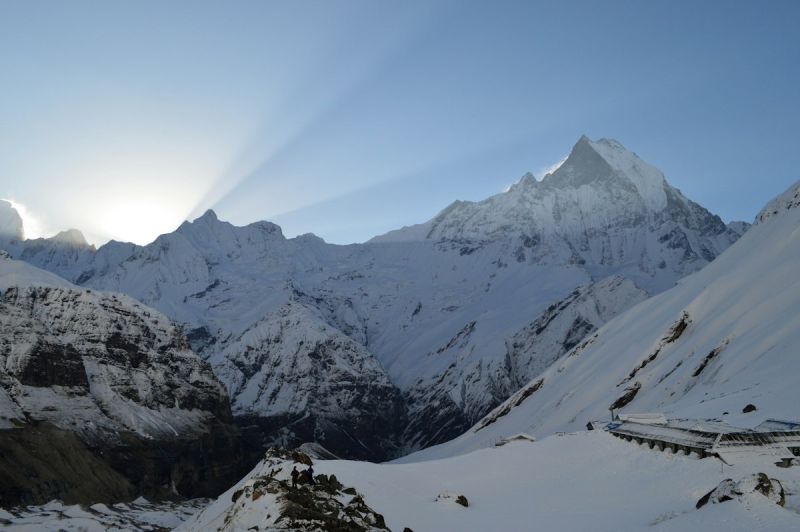
Everest Region (Khumbu)
Home to Mount Everest (8,848m), legendary Sherpa culture, and the world's most iconic trekking routes.
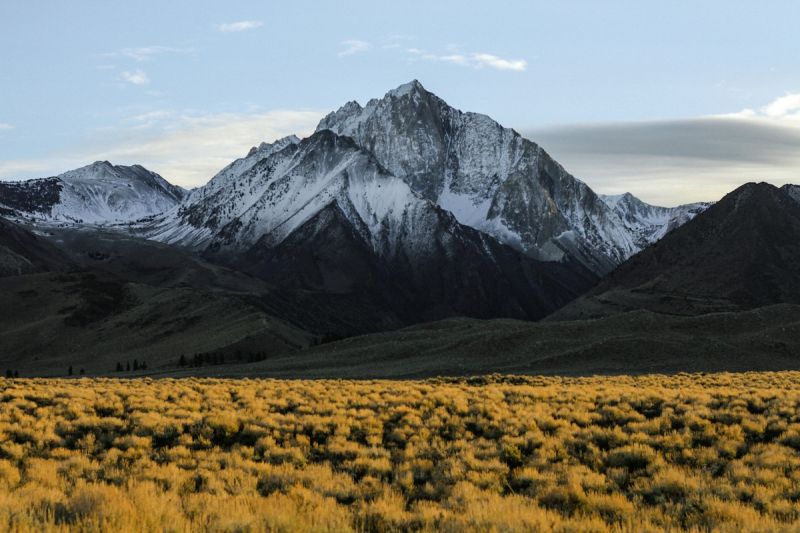
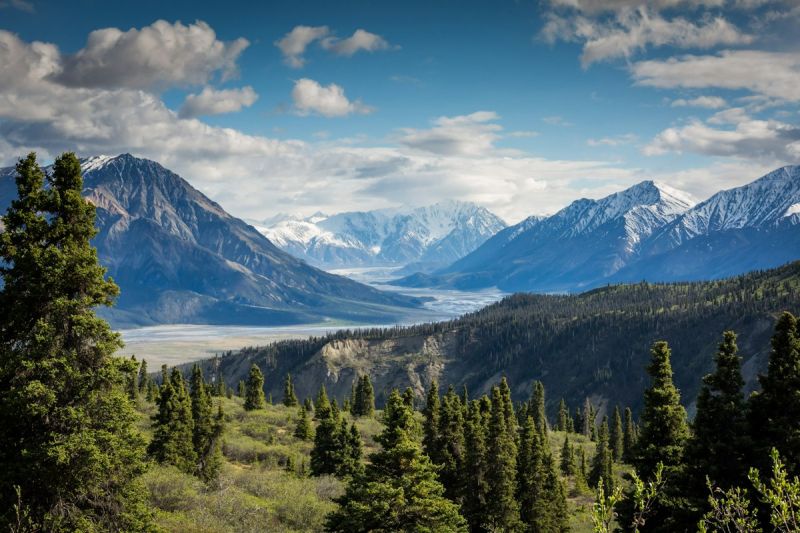
The Everest Region, known locally as Khumbu, is the crown jewel of Himalayan trekking. Dominated by Sagarmatha (Mount Everest) at 8,848.86 meters, this region offers an unparalleled combination of dramatic mountain scenery, rich Sherpa culture, and world-class trekking infrastructure.
Key highlights include the Everest Base Camp trek, the Gokyo Lakes with their turquoise waters, the Three Passes trek for seasoned adventurers, and the Tengboche Monastery — the spiritual heart of the Khumbu. The region is home to the Sherpa people, renowned worldwide for their mountaineering prowess and warm hospitality.
Wildlife includes Himalayan tahr, musk deer, snow leopards (rarely seen), and numerous bird species including the Himalayan monal (Danphe), Nepal's national bird.
Traveler Information
Best Time to Visit
Pre-monsoon (March-May): Rhododendron blooms, stable weather, busy trails.
Post-monsoon (October-November): Crystal clear skies, best mountain views, peak season.
Winter (December-February): Cold but clear, fewer trekkers, some high passes may be snowed in.
Monsoon (June-September): Heavy rain, leeches, obscured views, not recommended for high treks.
Category
mountainsEssential Notes & Logistics
Access: 35-minute flight Kathmandu to Lukla (2,860m), then trek. Alternative: 10-12 hour drive to Phaplu + 5-6 days trek to Namche.
Permits: Sagarmatha National Park Permit (NPR 3,000), Khumbu Pasang Lhamu Rural Municipality Permit (NPR 2,000).
Accommodation: Teahouses throughout, ranging from basic to comfortable lodges with hot showers and WiFi at lower elevations.
Altitude Considerations: Minimum 2 acclimatization days (Namche 3,440m, Dingboche 4,410m). Diamox recommended for rapid ascents.
Photo Gallery