

Travel Advice
Packing List for Himalayan Trekking: The Essentials
By Winterfell Gear Team
·
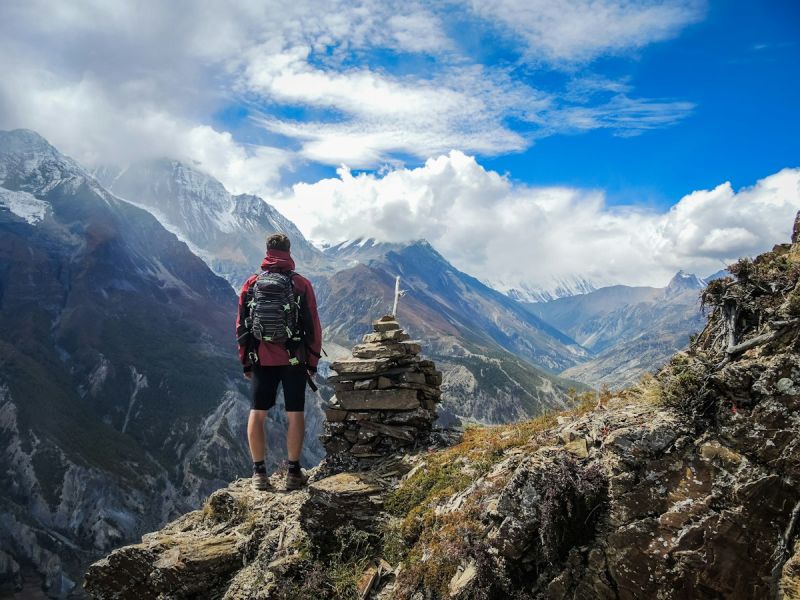
Our field-tested packing list for Himalayan treks. What to bring, what to leave, and what we provide.
Core Principle: Layering System
Himalayan weather changes rapidly. A proper layering system lets you adapt instantly.
Base Layer (Worn Next to Skin)
- 2x Merino wool or synthetic long-sleeve tops
- 1x Merino wool or synthetic long johns
- No cotton — retains moisture, causes hypothermia
Mid Layer (Insulation)
- 1x Fleece jacket (Polartec 200+ weight)
- 1x Lightweight down jacket or synthetic insulated jacket
Outer Layer (Protection)
- 1x Hardshell jacket (Gore-Tex or equivalent, 3-layer)
- 1x Hardshell pants (full side zips for boots)
Extreme Cold Layer (Above 4,500m / Summit Days)
- 1x Expedition down jacket (800+ fill, 200g+ fill weight)
- 1x Down pants or heavy fleece pants
- 1x Expedition mittens (down, windproof shell)
- 1x Balaclava or neck gaiter + warm beanie
Footwear
- Trekking boots: Broken-in, waterproof, semi-rigid sole (B1/B2). Size up 0.5-1 for thick socks + swelling.
- Camp shoes: Lightweight Crocs, down booties, or sandals for evenings.
- Socks: 4-5x Merino wool trekking socks, 1-2x liner socks, 1x thick sleeping socks.
- Gaiters: Essential for snow, scree, mud.
Backpacks & Storage
- Daypack: 30-35L (carry water, camera, layers, snacks)
- Duffel bag: 80-100L (for porter, max 15-20kg)
- Dry bags / stuff sacks: Organize and waterproof gear inside duffel
- Rain cover: For daypack
Sleep System
- Sleeping bag: Rated -10°C to -20°C comfort (down preferred). We provide on request.
- Sleeping bag liner: Silk or fleece (adds warmth, keeps bag clean)
- Inflatable sleeping pad: R-value 4+ (we provide foam pad)
Accessories
- Headlamp: 300+ lumens, red light mode, spare batteries (cold kills batteries)
- Sunglasses: Category 3-4, wrap-around, side shields
- Ski goggles: For summit days / high wind
- Trekking poles: Collapsible, carbon fiber (reduce knee impact 25%)
- Water bottles: 2x 1L wide-mouth Nalgene (insulated sleeves)
- Water purification: Tablets (chlorine dioxide) or filter (Sawyer/Katadyn)
- Sunscreen: SPF 50+, broad spectrum, lip balm SPF 30+
- First aid (personal): Blister kit (Leukotape, Compeed), ibuprofen, imodium, antihistamine, personal meds
Electronics
- Phone + power bank (20,000mAh+)
- Camera + spare batteries (keep warm!)
- Universal travel adapter (Type C/D/M)
- E-reader / Kindle (saves weight on books)
What We Provide
- Sleeping bag (-20°C rated) — on request
- Foam sleeping pad
- Down jacket — on request (limited sizes)
- Duffel bag for porter
- Group medical kit, oxygen, satellite phone
- All permits, park fees
- Teahouse accommodation & meals
Leave at Home
- Cotton clothing (jeans, hoodies, t-shirts)
- Excessive toiletries (teahouses have basics)
- Heavy books
- Alcohol (buy in Kathmandu if desired)
- Drone (without prior CAAN permit — 30+ day process)
Pro Tips
- Pack duffel so porter can access layers without unpacking everything.
- Wear heaviest items on plane (boots, down jacket).
- Keep passport, permits, cash, meds in daypack — never in duffel.
- Test all gear before departure. Break in boots 50+ km.
Related Articles
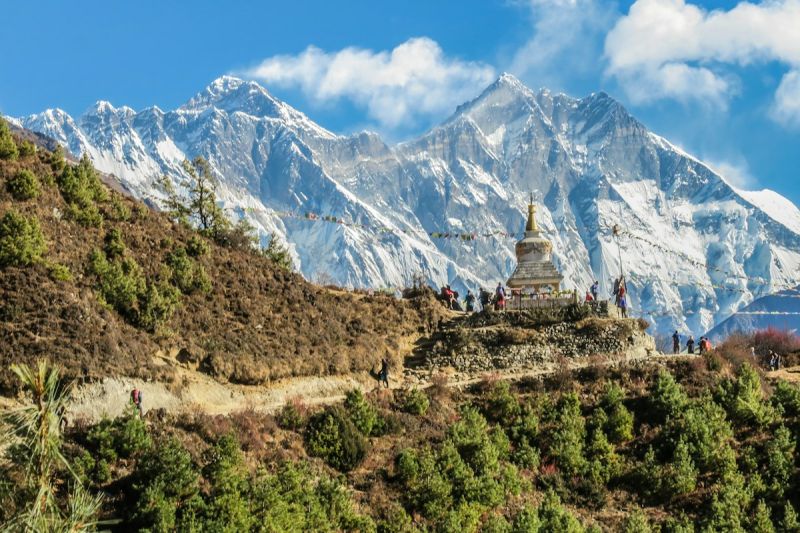
Complete Guide to Trekking in the Everest Region
Everything you need to know about trekking in the Khumbu — permits, routes, acclimatizatio...
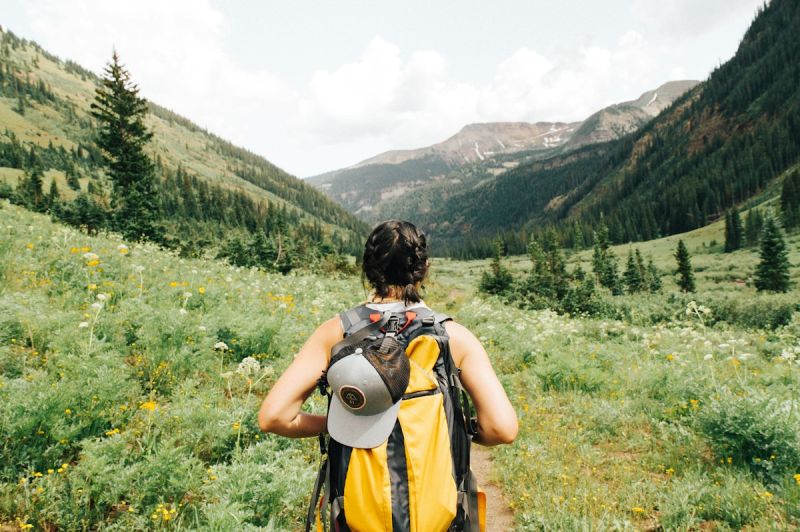
High-Altitude Acclimatization: The Science & Practice
Understanding how your body adapts to altitude, recognizing AMS/HAPE/HACE, and the acclima...